
Helping Bullied Kids Heal Self-Esteem Through Fun Activities
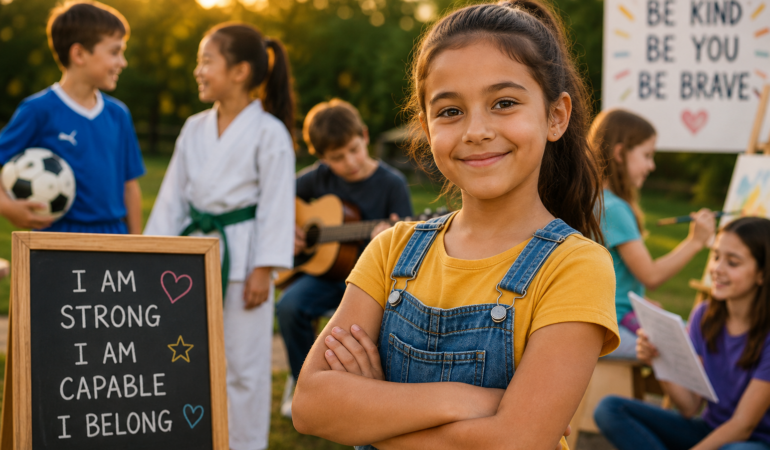
For busy parents and caregivers juggling school emails, after-school pickups, and big feelings at bedtime, bullying can land like a punch that doesn’t fade when the bell rings. Children affected by bullying often carry the effects into everything else, friendships feel risky, self-talk turns harsh, and even favorite routines lose their spark. The hard part is watching a child shrink while still needing a safe place to belong. With the right extracurricular activities, kids can find social support for bullied children, try on a fresh identity, and start building confidence in children again.
Quick Summary: Activities That Rebuild Confidence
Try sports teams to build teamwork, belonging, and a sense of capability.
Try art classes to give kids a safe outlet for emotional expression.
Try music lessons to strengthen focus, discipline, and steady progress.
Try drama clubs to grow community, connection, and comfort being seen.
Try martial arts or scouting to develop self-defense, leadership, and confidence.
Why Activities Help Kids Heal After Bullying
It helps to name what’s happening here. Fun activities work as a positive coping tool because they give kids a safe place to release stress, practice new skills, and feel capable again. They also create low-pressure chances to connect with other kids who share the same interest.
This matters because confidence rarely rebuilds through lectures or “just ignore it” advice. A game, practice, or club meeting offers steady wins, healthy movement, and real relationships that can buffer a rough school day. For many kids, participation in extracurricular sports supports routines that improve mood and energy.
Picture a child who feels small at school, but feels useful at robotics or soccer. Over time, higher physical activity levels and friendly teammates turn “I can’t” into “I’m getting better.” That same confidence grows fast when they build or sell something they’re proud of.
Try a Kid-Led Create-and-Lead Project to Restore Agency
When kids get to make real choices and see them turn into real results, confidence has room to grow again. Starting a small business can be a surprisingly powerful way to rebuild self-esteem after bullying because it turns a child into a creator, decision-maker, and leader. They get to pick what they want to offer, practice sharing their ideas, and feel proud of something that’s theirs. And whether it’s creating a professional website, adding an e-commerce cart, or designing a logo, an all-in-one business platform like ZenBusiness can provide comprehensive services and expert support to help ensure business success.
Pick the Right Fit: A Menu of 7 Confidence-Boosters
If bullying has made your child shrink back, the goal isn’t to “fix” them, it’s to give them safe places to practice being themselves again. Think of this like a menu: pick one activity that fits who they are right now, and one small way they can help choose, plan, or lead it (hello, agency!).
Team Sports for teamwork (with low-pressure entry): Start with a rec league, clinic, or short season where the goal is participation, not performance. This helps because a team gives them built-in belonging and a chance to practice “I can contribute” in tiny, repeatable moments, showing up, learning a drill, being a supportive teammate. You can reinforce confidence bymodeling good sportsmanshipin the car ride home: name effort, progress, and kindness instead of wins.
Art for creative expression (and control): Set up a simple “art station” at home, then add one community class or library workshop when they’re ready. This helps because art is a private way to process big feelings without having to explain them, and your child gets to make choices, colors, materials, and subjects, when life has felt out of control. For extra agency, let them run a tiny “gallery night” at home where they choose 3 pieces to display and make labels.
Music lessons for steady wins (and emotional regulation): Choose an instrument they’re curious about and commit to a short, defined trial, like 4 weeks, with 10 minutes of practice most days. This helps because music builds confidence through measurable progress: a song that didn’t work on Monday often works by Friday. If they hate performing, keep it private at first and celebrate “mastered measures,” not concerts.
Drama or speech for public-speaking confidence (without forcing the spotlight): Look for a beginner drama club, improv games group, or a low-stakes speaking program where roles can start backstage. This helps because practicing a character gives them emotional distance while they build real skills: projecting voice, making eye contact, handling mistakes. A great first goal is one line on stage or one short introduction in front of a small group.
Martial arts for discipline + boundary skills: Start with a style that emphasizes respect, structure, and personal progress (belts, forms, clear rules). This helps because routines and predictable expectations can feel soothing after social chaos, and kids learn how to stand tall, speak firmly, and take up space safely. Make the first month about consistency: two classes a week, gear packed the night before, and a simple “what felt stronger today?” check-in.
Scouting for outdoor competence (and new social circles): Try one meeting and one outing before committing, and let your child pick a small “I’ll be in charge of…” job like packing snacks or checking the weather. This helps because Scouting builds real-world capability, outdoor and basic survival skills, and competence is a fast path back to self-trust. Bonus: friendships often form more naturally when everyone is focused on a shared task.
Volunteering for empathy + “I matter” energy: Choose a cause your child already cares about (animals, parks, food pantry) and schedule a short, predictable shift, maybe one hour every other week. This helps because being helpful changes the storyline from “I’m powerless” to “I can make things better,” and volunteering can help kids grow in 4 key areas like empathy and self-efficacy.
Quick Answers for Common Activity Worries
A few quick concerns parents often bring up.
Q: How can sports teams help children who have experienced bullying rebuild their confidence and social skills?A: A kind, well-coached team gives your child a predictable role, simple rules, and lots of tiny chances to belong. Ease first-day nerves by asking the coach if your child can arrive early, learn names, or start with low-contact drills. If cost is a hurdle, many schools have sliding scales or fee waivers since an average $161 for sports is not small for most families.
Q: What benefits do art classes offer for emotional expression and coping with bullying?A: Art lets kids “say it without saying it,” which can be a relief when talking feels too vulnerable. Start with a low-stakes workshop and a pick-your-seat plan, then send a comfort item in their bag for the first session. If a class spikes anxiety for weeks, that is a sign to try a quieter setting or smaller group.
Q: In what ways can music lessons support focus and emotional resilience for affected children?A: Music creates structure, and practice turns effort into noticeable progress, which is powerful after bullying. Keep it doable with a short trial and a tiny routine like 8 minutes daily, and skip recitals until your child asks. If nerves stay intense, talk therapy can pair well with skill-building activities.
Q: How might joining drama clubs improve public speaking and create a sense of community for kids dealing with bullying?A: Drama gives kids a “character shield,” so they can try confidence on safely before using it as themselves. Ask the leader for backstage or small-part options, and set a first goal like one line or one warm-up game. If the group culture feels cliquey or sarcastic, it is okay to switch to a kinder club.
Small, Steady Activities That Rebuild Confidence After Bullying
When a kid is dealing with bullying, even “fun” can feel risky, like one more place to be judged or left out. The mindset that helps most is gentle, steady participation in supportive activities, with room to adjust without shame. Over time, the long-term benefits of extracurriculars show up in building stronger social skills, boosting child self-esteem, and creating hopeful outcomes for affected children who are overcoming bullying challenges. Confidence grows when kids practice belonging in small, safe ways. Choose one low-pressure activity to try this week and keep the first goal simple: show up. That consistency builds resilience and connection that carries forward into school, friendships, and everyday life.
References
https://cisjax.org/how-team-sports-build-confidence-beyond-the-playing/
https://kidsrkids.com/avalon-park/2020/10/27/benefits-from-volunteering/
https://mottpoll.org/reports/pay-participate-impact-school-activities
Discover a vibrant community of support and growth at MOMnation, where moms connect, share, and thrive together across the nation!
Author Bio:
Hannah Simpson is a stay-at-home mom of two with a passion for DIY crafts. She thinks being “a maker” is a great hobby for parents and kids alike, allowing them to explore different mediums, spend a little or a lot of time on their pursuit, take time to focus just on what they’re making, and create something unique that makes the world a little more beautiful. As someone who uses a wheelchair, Hannah also finds DIY crafting empowering. By making accommodations based on her needs, she can show her kids that their mom can tackle any DIY project that other moms and dads can. She hopes her new website, Able Crafty, will inspire everyone who visits to make something that brings them joy no matter their age or abilities.
MOMnation® Member Savings– Support families in your community by shopping local momma run businesses. Approved MOMnation® Market Vendors take pride in their quality products and services. Get great finds and MOMnation® Member Exclusive discounts here.
Are you a blogger? Getting your original blogs/articles in front of more readers can be as easy as sending us a submission!
See all that MOMnation® has to offer: https://direct.me/momnationusa
